
We live in a culture rich with advice and poor in growth. We offer solutions quickly, follow instructions earnestly, and yet so often we feel unchanged, stuck, or quietly discouraged. This is not a moral failure or a lack of effort on our part. It is neurological. Growth rarely comes from advice given or advice followed; growth comes from ownership, curiosity, and the slow rewiring of how our brains learn to feel safe, capable, and alive again.
The Neurology of Why Advice Doesn’t Grow Us
Advice short-circuits the brain’s learning system. When we receive advice, especially fast, confident advice, our prefrontal cortex often disengages. Instead of discovering, we comply. Instead of integrating, we imitate. The brain registers the solution as belonging to someone else. Without agency, neural change is shallow and temporary.
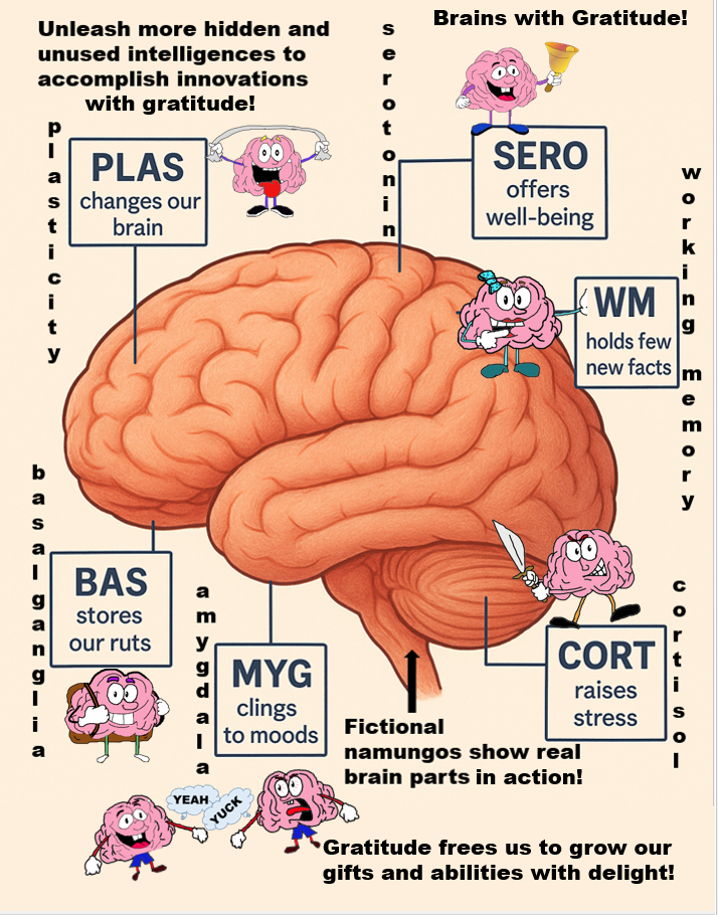
Even worse, advice can quietly activate threat circuitry. The amygdala may interpret advice as judgment, comparison, or exposure of inadequacy. Cortisol rises. Curiosity drops. Plasticity narrows. We may nod, agree, and even try, but our nervous system is no longer in a state where deep learning can occur.
We are wired to grow through meaningful effort, not borrowed certainty.
Strong Beliefs Held Loosely As the Sweet Spot for Growth
We do not need weak beliefs to grow. We need flexible ones. When beliefs are held rigidly, the brain protects them like identity. Any challenge feels dangerous. When beliefs are held loosely, the brain remains open, curious, and adaptive.
Neurologically, this looseness keeps the prefrontal cortex engaged while preventing the amygdala from hijacking the moment. Dopamine flows when we experiment. Neuroplasticity thrives when certainty gives way to exploration.
We can say, “This matters deeply to us,” without saying, “This must never change.” Growth lives in that space.
Replacing Advice with the Question That Grows Us
Instead of offering advice, to ourselves or others, we can ask a question that restores agency and activates learning. “What can we do to change the situation in our lives so that we can resolve this problem?”
This question does something profound. It signals trust. It invites problem-solving. It shifts the brain from passive reception to active construction. The hippocampus engages. The prefrontal cortex lights up. Ownership returns.
We stop outsourcing wisdom and start building it.
This is how we question everything, not in rebellion, but in responsibility. Many traditional practices fail us not because they are wrong, but because they bypass our nervous system’s need for safety, choice, and meaning.
Fixed Mindset and Trauma’s Old Pathways
Fixed mindset and trauma share neural real estate. Both rely on well-worn pathways that say, “This is how it is,” “This is who we are,” “This is as far as we go.”
Trauma does not disappear when it heals; it shrinks. The pathways remain, quieter but still present. Fear, anxiety, and stress are not signs of failure, they are remnants of protection. The problem is not their existence. The problem is when we let them lead.
Fast advice strengthens these old pathways. It reinforces the belief that someone else knows better, that we cannot figure this out, that safety comes from obedience rather than growth. Over time, this erodes confidence and deepens helplessness.
We do not outgrow trauma by being told what to do. We outgrow it by choosing what to try.
Why Cheap Advice Costs Us So Much
We give cheap advice because it soothes our discomfort. It allows us to feel helpful without being present. But neurologically, it often transfers pressure rather than relieving it. The listener feels smaller. The brain contracts. Growth stalls.
Our demise, and others’ misery, comes not from lack of care, but from misplaced certainty.
Gratitude as Our Fastest Lift-Off
Gratitude is not denial. It is regulation.
When we practice gratitude, serotonin and dopamine increase. The brain’s negativity bias loosens its grip. Rumination quiets. Negative self-talk loses oxygen. Gratitude creates a physiological state where learning and courage are possible again.
This is why gratitude accelerates growth. It does not ignore what is wrong; it stabilizes us enough to change it.
Gratitude is our lift-off, not the destination, but the launchpad.

Questions that Move Us from Doubt to Breakthrough
Instead of advice, we can ask questions that build evidence and confidence:
- What is one small action we can take that feels slightly uncomfortable but doable?
- What worked even a little last time?
- What does progress look like at 10%, not 100%?
- What fear is trying to protect us right now, and is it still needed?
- What would we try if we trusted our capacity to learn?
Each question creates a new neural path. Growth rarely arrives all at once. It comes in increments, tiny wins that compound.
Staying the Race and Winning It
Our brains love dramatic transformation stories, but they grow through repetition. When we focus only on how far we still have to go, the brain interprets failure. When we focus on evidence of growth, however small, the brain releases motivation and resilience.
We stay the race by honoring increments. We win by noticing progress. We grow by resisting the seduction of fast, easy advice. Growth belongs to us when we claim it, question it, and practice it, one rewired moment at a time. And in that steady, courageous pace, we become our best and happiest selves, not by being told how, but by discovering that we can.